

A quality weight bench is one of the most important pieces of equipment in any home gym. Whether you’re bench pressing, performing dumbbell work, or using it alongside a rack, the right bench can improve comfort, stability, and long-term progress.
With so many options available—flat benches, adjustable benches, and heavy-duty commercial-style benches—it helps to know what actually matters before buying. This guide breaks down the key decision points so you can confidently choose the right bench for your space, training style, and goals.
Why Your Weight Bench Matters More Than You think
A bench isn’t just a place to sit or lie down—it directly affects lifting stability, proper positioning and leg drive, comfort under load, and how safe your reps feel. A bench that wobbles or is improperly sized can feel unstable, limit your movement, and quietly hold back your training over time.
A well-chosen bench, on the other hand, ensures every rep feels solid and controlled, becoming a foundation piece you’ll use for years.
Types of Weight Benches
There are several types of benches, each designed for different training needs. Below are the most common types, who they're best for, and what to look for in each.
Flat Benches
Flat benches are simple, durable, and often the most stable option. With fewer moving parts, a high-quality flat bench can feel rock-solid under heavy pressing and tends to offer very strong load ratings.
- Best for: Barbell bench press, dumbbell press
- Why people choose it: Maximum stability and straightforward design

A well-built flat bench like this offers maximum stability and typically the highest weight capacity.
Adjustable & FID Benches
Adjustable benches allow you to change the back pad angle for incline work and seated positions. Many models also include decline settings, commonly referred to as FID (Flat / Incline / Decline). This style is ideal if you want one bench that supports a wider range of exercises and training styles.
- Best for: Incline barbell bench press, incline dumbbell press, general versatility
- Why people choose it: More training variety without adding extra equipment
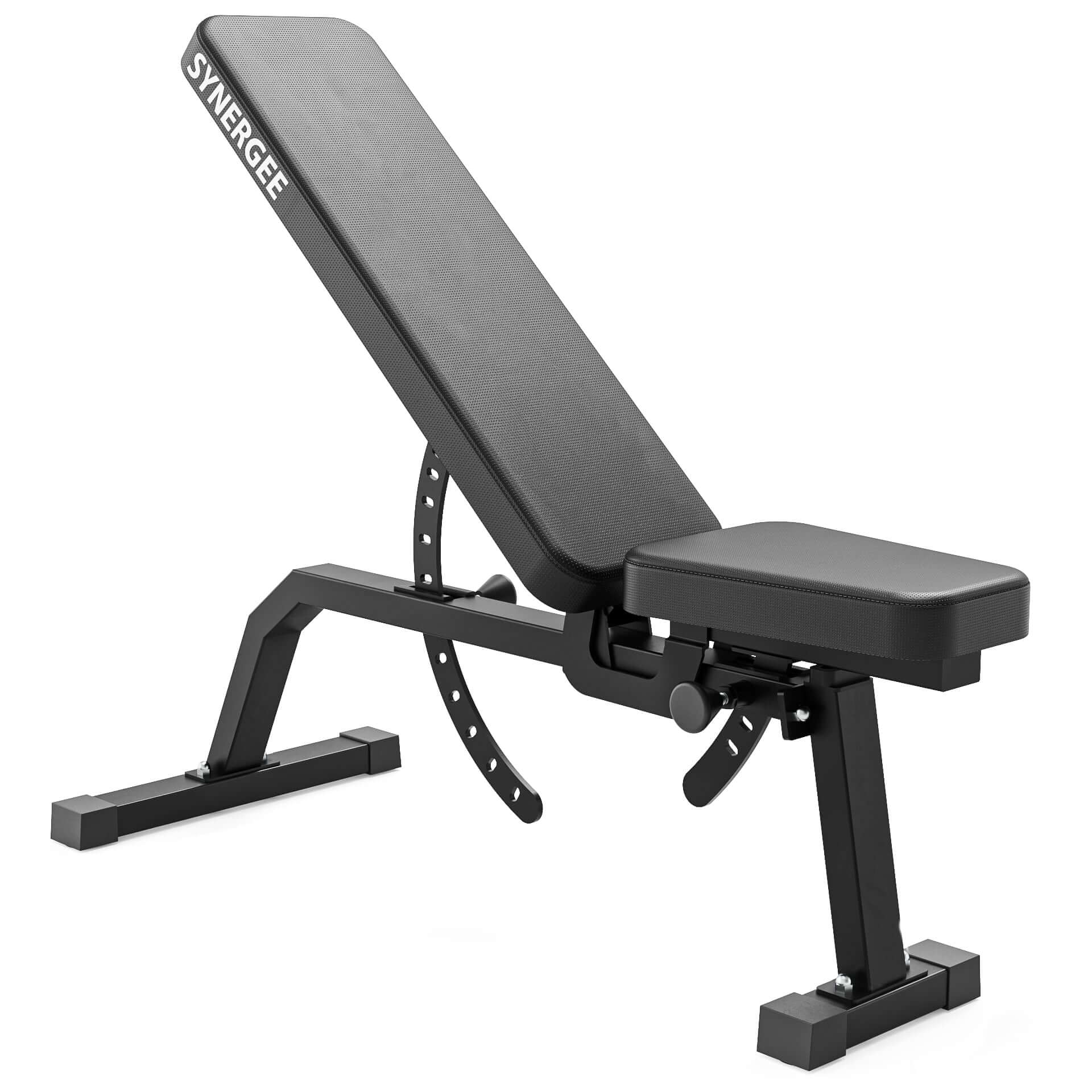
If versatility matters, an adjustable bench such as this one is often the best all-around choice.
What to Look For When Choosing a Bench
1) Weight Capacity & Stability
Bench capacity is one of the most overlooked specs—and one of the most important.
When evaluating capacity, consider:
-
Your body weight
-
The weight you're lifting
-
Loads can feel heavier dynamically during reps
In general, higher-rated benches tend to indicate stronger steel, better welds, and a more stable base. If you’re lifting heavy or training seriously, a higher capacity bench is always worth it.
2) Bench Dimensions (Height, Pad Width, Pad Length)
Choosing a bench with the right dimensions plays a big role in comfort, stability, and overall performance. While most benches follow similar standards, small differences in height, pad width, and pad length can noticeably affect how a bench feels during training.
Bench Height
Most benches are around 17–18" high, which supports stable pressing and proper leg drive. Taller lifters may prefer a slightly higher bench for more comfortable positioning, while shorter lifters may feel more stable on a lower profile.
Pad Width
Pad width affects shoulder positioning and upper-back support. Narrower pads allow for greater shoulder movement, while wider pads provide more surface area and a more secure feel during pressing movements.
Pad Length
Pad length influences how well the bench supports your full body. Longer pads tend to better accommodate taller lifters and provide consistent support from upper back to hips.
3) Adjustability & Lock-In Feel
If you’re choosing an adjustable bench, pay attention to the way it adjusts and how firmly it locks into position. A good bench should feel secure at every angle without wobble, shifting, or instability.
There are two common systems for adjusting a bench angle:
-
Ladder-style adjustments – fast and secure
-
Pop-pin systems – compact and precise
The best benches adjust smoothly and lock firmly into place without wobble.
4) Storage & Mobility
If your gym space is limited, look for features like:
-
Built-in wheels
-
A manageable footprint
-
Vertical storage capability
A bench that’s easy to move is more likely to be used consistently.
Common Bench Buying Mistakes
- Choosing based on price alone
- Ignoring bench dimensions
- Underestimating capacity needs for heavier training
- Buying more bench than you need—or not enough for your goals
Choosing the Right Bench for You
The right bench depends on factors like how you train, how much space you have, and whether you prioritize maximum stability or versatility.
If you mainly press heavy and want the most solid feel, a flat or heavy-duty adjustable bench is often the best fit. If you want more exercise variety with one piece of equipment, an adjustable bench is typically the most flexible option.
Regardless of your workout goals, choosing the right bench will make your workouts feel more stable, comfortable, and consistent over time.
If you’re ready to browse options, explore our full selection of weight benches at Home Gyms Plus.
